
Line of toothbrushes in different shapes and sizes, part of dental care

Choosing Holistic Dentistry: Benefits, Risks, and Considerations

Today, many patients seek dental care that considers their overall well-being, rather than focusing exclusively on their teeth and gums. This growing interest has brought holistic dentistry, which works on the principle that every part of the body is connected, into the spotlight. Understanding the benefits and potential limitations can help you make an informed decision about your oral healthcare and whether you should seek care from a holistic dentist

The Holistic Difference

Holistic dentistry takes a whole-body approach to oral care, going beyond the teeth and gums alone. It recognizes the strong connection between oral health and overall wellness, understanding that the mouth plays a vital role in supporting the body’s systems. When the mouth is healthy, the rest of the body benefits as well.

Like traditional dentists, holistic dentists provide preventive care, patient education, and treatment for dental concerns. The difference lies in their approach, holistic dentists carefully select materials, techniques, and therapies that align with a more comprehensive view of health and wellness.

We believe holistic dentistry represents a thoughtful, growing movement within the profession—one that emphasizes truly personalized care by honoring the natural connection between oral health and the rest of the body.

Core Principles and Practices

Biocompatible Materials

The use of biocompatible materials is a cornerstone of holistic dentistry. Practitioners do not use mercury amalgam fillings, as they are considered dangerous to high-risk individuals by the FDA. Holistic dentists perform mercury-free restorations using composite resin, ceramic, or glass ionomer materials instead of traditional amalgam fillings.

Advanced Diagnostic Tools

Holistic dentists stay at the forefront of dental advancements by embracing the latest technology and evidence-based practices. Modern practices often use 3D cone-beam computed tomography scans and digital X-rays, which produce significantly less radiation than traditional imaging methods.

Minimally Invasive Treatments

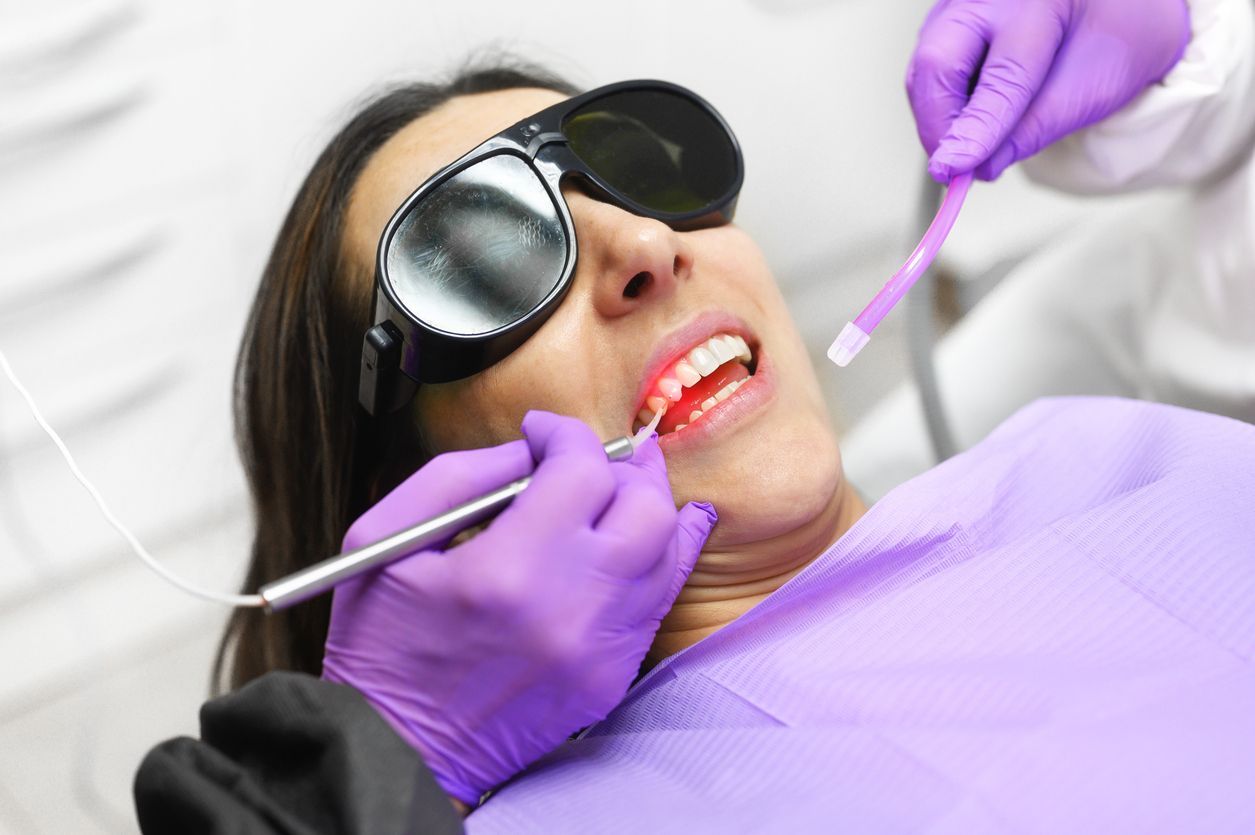
Helping patients avoid  painful and drawn-out procedures that can impact their overall well-being is a priority for holistic dentists. Laser therapy for gum disease and cleaning is one example of minimally invasive care. Additional minimally invasive options include air abrasion and ozone therapy for treating cavities and infections.

Potential Risks and Limitations

Woman with toothache holding her jaw in pain

Despite its popularity, holistic dentistry has some potential drawbacks.

You may not be a good candidate for holistic dentistry if any of the following apply to you:

  • History of tooth decay: Holistic dentists typically do not support fluoride use, so you may be at risk for more cavities since fluoride prevents tooth decay.
  • Severe dental infections: Holistic dentists may recommend pulling an infected tooth rather than saving it with a root canal.
  • Chronic illness: Currently, there is no research confirming the safety of holistic dentistry for people with certain chronic conditions.
  • Pediatric patients: To date, it’s unknown whether holistic dentistry benefits children.

Cost Considerations

Holistic dental care typically costs slightly more than traditional dentistry, largely due to the use of biocompatible materials designed to work harmoniously with the body. These materials are often more durable, meaning restorations such as fillings and crowns may last longer and require fewer replacements over time. Holistic dentists also favor conservative, minimally invasive treatment approaches, which can be more cost-effective than extensive procedures like root canals. While the initial investment may be higher, many patients find they spend less on dental care over the course of their lifetime.

Dental insurance coverage for holistic dentistry varies by plan and provider. Some holistic dentists accept insurance, while others may not. Even if your dentist is in-network, it’s important to verify which treatments are covered. Many insurance plans will cover standard services such as exams and cleanings, but may not include alternative therapies like ozone treatments.

Making an Informed Decision

Finding a Qualified Practitioner

While the American Dental Association (ADA) classifies many areas of dentistry as specialties, including pediatrics and periodontics, holistic dentistry is not among them. However, holistic dentists may earn certifications from programs and organizations like the American Naturopathic Medical Certification, International Academy of Biological Dentistry and Medicine, and International Academy of Oral Medicine and Toxicology.

Evaluating Your Needs

Consider your personal health goals and medical history when deciding whether holistic dentistry aligns with your needs. If you have concerns about specific materials like mercury or prefer a more natural approach to healthcare, holistic dentistry may appeal to you.

Combining Approaches

Holistic and traditional dentistry are two distinct approaches in the dental field, but that doesn’t mean there can’t be some overlap between them. Dental providers can draw on evidence-based practice from both approaches. Many modern practitioners incorporate elements from both philosophies, focusing on prevention, using safer materials when possible, and considering overall health while adhering to evidence-based treatment protocols.

The Future of Integrative Oral Health

Man smiling in dental chair after holistic dentistry services

Empowering patients through education is a priority in holistic care. Instead of solely focusing on patients’ teeth and gums, holistic dentists advocate for lifestyle changes, including improved nutrition, stress management, and smoking cessation, to support both oral and overall health. This patient-centric approach encourages a deeper understanding of how daily habits impact the entire body.

The integration of technology continues to advance holistic care, so opting for a holistic dental practice doesn’t mean giving up high-tech treatments. Today’s holistic practices rely on modern and minimally invasive treatments that continually improve as technology advances.

Closing Thoughts

Holistic dentistry is a patient-centered approach that acknowledges the interconnectedness nature of oral and overall health. While this philosophy appeals to many people seeking comprehensive wellness care, determining whether it is right for you requires careful consideration. Whether you select a holistic practitioner, a traditional dentist, or someone who combines both approaches, the most important step is finding a qualified professional who prioritizes your long-term health and well-being.

Good oral health builds a solid foundation for overall wellness, regardless of the specific approach you choose. Regular preventive care, proper home hygiene, and open communication with your dental provider are essential elements of maintaining oral health throughout your life. If you’re in Manalapan, NJ, and need dental care you can trust, give us a call at (732) 795-5172 or email [email protected]. We’re here to help you smile with confidence!

Request an Appointment