

Sedation Dentistry: What It Is & What To Expect

gp.api • December 19, 2023

Many people feel anxious when visiting the dentist, especially those who have experienced lengthy or complicated dental procedures in the past. The experience can also be unsettling for individuals with sensitive teeth, an overly sensitive gag reflex, or a fear of needles. Children are also prone to dental anxiety, fearing what will happen during their dental appointment or knowing that it means sitting still for a while.

For these individuals, sedation dentistry is often the solution, which helps them feel calm and at ease throughout their procedure. It most often only involves moderate sedation, with the individual still awake and alert but feeling more carefree and far less anxious.

What happens before sedation dentistry?

Before a sedation dentistry visit, you’ll talk to your dentist about the various sedation options, any health risks, and possible issues with medications such as blood thinners.

Sedation options for dental procedures include:

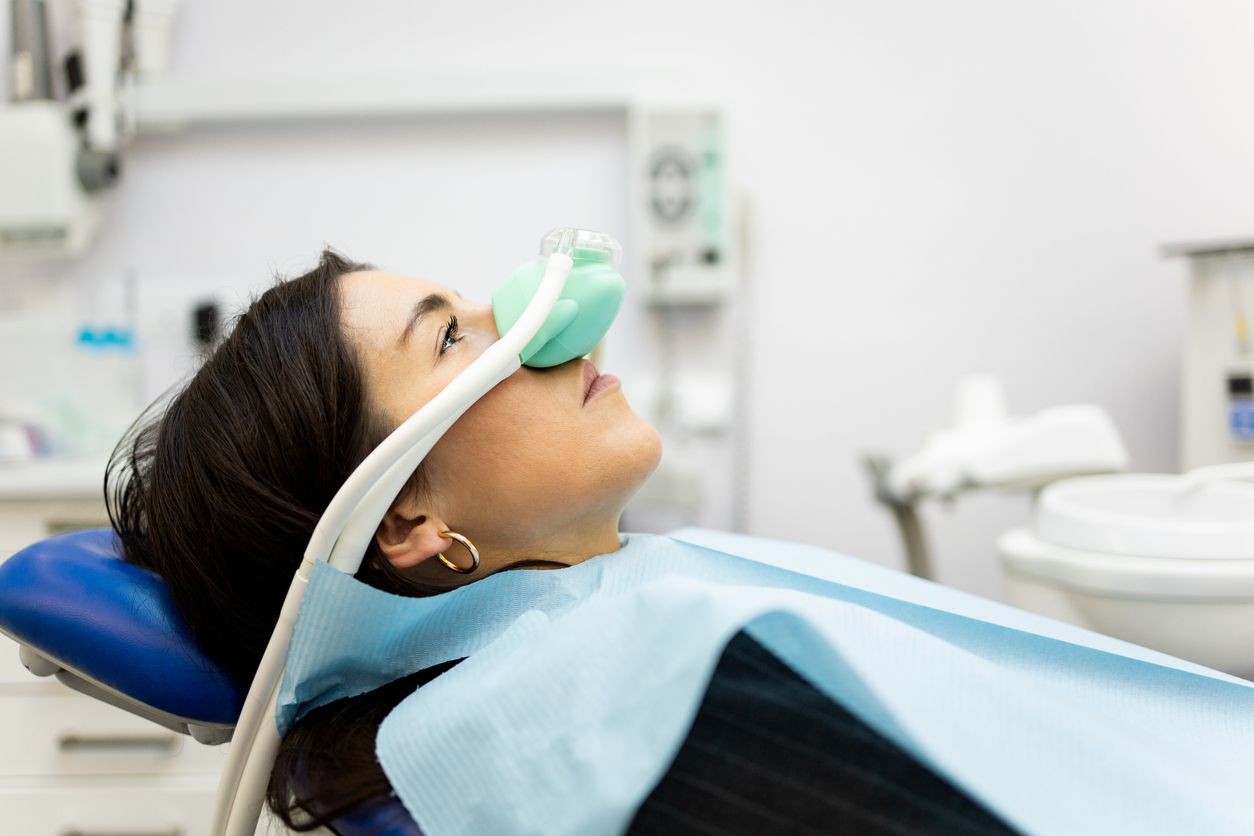
  • Nitrous oxide – Commonly known as “laughing gas,” this is inhaled through a mask or nosepiece with calming effects noticeable within 3-5 minutes. The dentist controls the amount of nitrous oxide, adjusting accordingly throughout the procedure. This is the most commonly used dental sedative and the option with the least amount of side effects.
  • Oral conscious sedation – This is a pill-form sedative medication taken an hour before your procedure begins. Oral conscious sedation makes you very groggy and often induces sleep. However, it’s a light slumber that allows you to maintain communication with your dentist during the procedure. Since oral conscious sedation temporarily affects memory and motor skills, a family member or friend must drive you home.
  • Intravenous (IV) sedation – This is the deepest form of dental sedation, with medication delivered directly to your bloodstream through an IV. This requires careful monitoring of vitals, including heart rate, blood pressure, and oxygen levels. IV sedation will make you fall asleep without memory of the procedure upon awakening. This sedation option is reserved for those with the most severe dental anxiety or if you’re undergoing a lengthy or painful dental procedure.

Once your level of anxiety and the options are discussed, you and your dentist will determine the appropriate type of sedation for your procedure.

In addition, before any procedure involving sedation, food and beverages should be avoided for at least six hours prior to your appointment.

What happens during and after sedation dentistry?

At the start of your sedation dentistry procedure, your dentist will administer the selected type of sedation, and you’ll begin to feel relaxed. Once you feel calm, you’ll also receive a local anesthetic to numb your teeth and gums. Except for intravenous sedation, you’ll remain aware of what’s happening, hear your dentist explain what he’s doing, and be able to follow commands and communicate.

Following the procedure, your dentist will give you time in the dental chair to recover from the effects of the sedation, however minor. If you were given nitrous oxide, pure oxygen would be used to flush the nitrous oxide out of your system to allow for a safe drive home. If you were given any other type of sedation, you would need a family member or friend to drive you home. Once home, you should rest while the rest of the sedative medication wears off.

Recovery time varies depending on the type of sedation administered and how your body responds. However, the average patient recovers from nitrous oxide in just 15-30 minutes and from oral conscious- and IV sedation within 24 hours. You are able to eat and drink immediately after recovering from sedation, although your dental procedure may limit the types of foods you can eat right away.

Are there risks associated with sedation dentistry?

Sedation dentistry is safe, as it can only be administered by a licensed dentist. Minor complications or side effects may occur, including lingering drowsiness, dry mouth, nausea, or headaches. Rarely do people experience an allergic reaction, but medications are readily available to counteract an allergy.

Is sedation dentistry safer than general anesthesia?

Sedation dentistry is safer than general anesthesia, which is reserved for hospitals that need a patient to fall into a completely unconscious state over a long period of time for a more complicated surgical procedure. It requires close monitoring of vitals by an anesthesiologist and has a longer recovery period.

Is sedation safe for children undergoing dental procedures?

Children are often sedated for dental procedures, most often with “laughing gas,” unless they are undergoing oral surgery requiring a deeper level of sedation. It is entirely safe for children, with rare but possible short-term side effects, including irritability, snoring, fever, nausea, and vomiting. Dentists even have flavored forms of nitrous oxide for children to make the experience fun, including grape, strawberry, and bubble gum. Just like adults, pure oxygen flushes the nitrous oxide following their procedure, allowing them to fully recover within 15-30 minutes.

There are many advantages to sedation dentistry, the most significant being lessened anxiety and the ability to remain calm. This means your dental procedure will move quicker, and you might even find the procedure can be accomplished in fewer or shorter appointments. Sedation dentistry also encourages people with dental anxiety to visit their dentist, knowing that there are options to help them remain calm and comfortable. Dental anxiety affects approximately 36% of the population, making it the leading cause of people skipping their dental check-ups. With further awareness of sedation options, that statistic could be dramatically lower.

Contact us if you would like to learn more about sedation dentistry, including the various forms of sedation.

Share this article

Recent Posts

Person covers their nose while another gestures with an open hand, suggesting discomfort or a bad smell.
By emily.peck March 2, 2026
Identify signs for a dental visit, like pain or bleeding gums. Schedule your appointment today for better oral health!
Cosmetic treatment being applied to a smiling woman’s chin with a gloved hand
By erin.vossen January 30, 2026
Understand the differences between dental crowns & veneers. Contact us to find the best option for your smile!

Person holding face with eyes closed, sitting on a couch in a dim room with a plant and lamp nearby.
By erin.vossen December 29, 2025
Explore holistic dentistry's benefits & risks. Understand its whole-body approach to oral health. Contact VSN Dental PC for more info!
Patient touching his cheek while talking to a dentist in a clinic, wearing a blue bib
By erin.vossen November 20, 2025
Recognize tooth infection signs & know when to seek emergency care. Contact us for prompt assistance!
Patient reclining in a dental chair with oxygen mask during treatment
By erin.vossen October 30, 2025
Dental anxiety affects oral health. Learn about CBT & sedation options to manage fear and improve your dental care.
Healthcare worker checking blood sugar with a glucometer on a patient’s finger
By erin.vossen September 29, 2025
Understand how oral health impacts systemic conditions like heart disease & diabetes. Contact VSN Dental PC for expert care.
Dentist examining a patient’s mouth with tools; patient wears sunglasses and purple bib.
By erin.vossen August 27, 2025
Holistic dentistry connects oral health to overall well-being. Choose natural methods for a healthier smile. Contact us today!
Dentist examining a smiling patient in a dental chair with blue gloves and mask
By erin.vossen August 27, 2025
Learn why dentists are moving away from mercury fillings. Choose safer, aesthetic alternatives for your dental health today!
Two people brushing their teeth in a bathroom mirror, smiling with colorful toothbrushes.
By erin.vossen July 25, 2025
Learn causes of bad breath & 8 dentist-recommended solutions. Improve your oral health today!
Close-up of a person with mouth open while a cotton swab is inspecting the tongue.
By erin.vossen June 24, 2025
Learn why oral cancer screenings are vital for early detection. Schedule your screening today for better dental health!
Show More